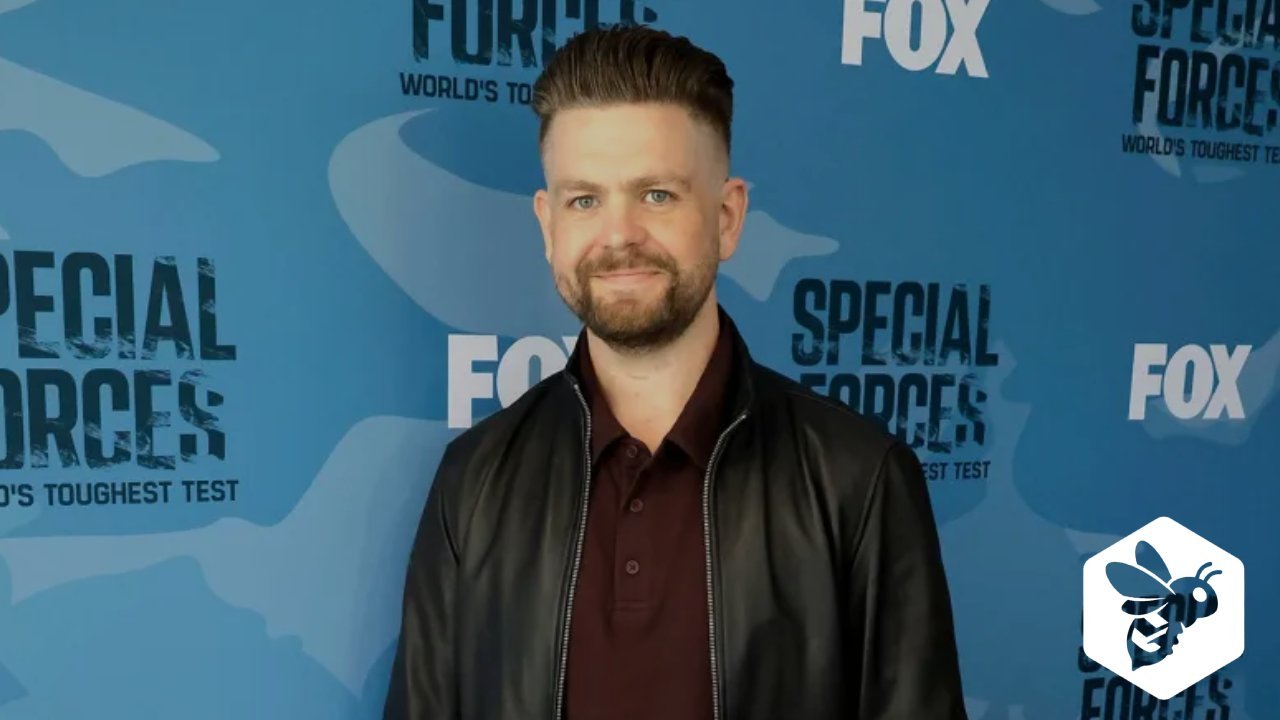
Jack Osbourne Opens Up About His ‘Interesting’ Approach to Managing Multiple Sclerosis

Jack Osbourne, 40, is choosing a different path when it comes to managing his Multiple Sclerosis, and he’s not shy about explaining exactly why. In a candid conversation on a recent podcast alongside his mother, Sharon Osbourne, the youngest son of rock legend Ozzy Osbourne shared the unconventional treatment philosophy that has guided him for over a decade since his diagnosis.
His approach? Skip the standard pharmaceuticals for now and focus on getting to the root of the problem rather than chasing symptoms.
A Diagnosis That Changed Everything
Jack was just 26 years old when he received his MS diagnosis in April 2012. The timing couldn’t have been more emotionally charged. He and his then-wife Lisa Stelly had just welcomed their daughter, Pearl Clementine, when the news arrived a gut punch wrapped inside one of the most joyful moments of his life.
MS is a chronic disease in which the immune system attacks the protective covering of nerve fibers, disrupting communication between the brain and the rest of the body. Symptoms can range from fatigue and numbness to vision problems and mobility challenges. For a young father in his mid-twenties, the diagnosis was nothing short of life-altering.
Rather than immediately defaulting to the conventional medical route, Jack began asking deeper questions that would shape his entire treatment philosophy going forward.
Why Jack Osbourne Is Skipping Traditional MS Medication (For Now)
“I do not take traditional MS medication currently,” Jack stated plainly during the podcast. It’s a bold statement that understandably raises eyebrows. But his reasoning is more nuanced than a simple rejection of modern medicine.
Jack believes, and he’s not alone in this, that too much of the current healthcare model is built around suppressing symptoms rather than identifying what triggered the problem in the first place.
“Take MS, for instance. You’ll rarely come across an MS doctor that treats the source of the problem. You go to a neurologist because your nerves are damaged by the MS.”
That frustration with symptom-first medicine is what pushed him toward alternative and regenerative therapies.
The Treatments He’s Actually Using
Jack has been exploring what he broadly calls “alternative therapies” for years, combining supplementation with more hands-on regenerative procedures. Here’s a closer look at what that looks like in practice:
Bio-Cellular Therapy
The most striking treatment Jack discussed is a spine procedure he underwent, a bio-cellular therapy where doctors injected cells directly into his spinal discs. He had this done at the Stem Cell Institute of Los Angeles, and he was quick to point out something that surprises many people: you no longer have to travel abroad for cutting-edge cellular treatment.
“Most people feel like you have to go to a foreign country,” he said, “but if anyone listening is struggling with any kind of health condition and they want to look at bio-cellular therapy, it’s a really interesting landscape right now.”
According to the Association for the Advancement of Blood & Biotherapies, cellular therapy involves the transplantation of human cells to replace or repair damaged tissue, a growing field attracting serious scientific attention.
The “Disc Seal” Procedure
Jack also mentioned a specific procedure called a disc seal, which he described as not directly connected to his MS treatment, but representative of the broader regenerative philosophy he’s committed to. The procedure targets structural issues at the source, rather than managing pain or discomfort after the fact.
Supplementation
Beyond the clinical procedures, Jack relies heavily on supplementation as part of his daily routine. While he didn’t name specific supplements during the podcast, this approach aligns with the growing body of research into how nutritional deficiencies, particularly Vitamin D, Omega-3s, and B vitamins, may play a role in immune regulation and neurological health.
“Treat the Cause, Not the Symptom” A Philosophy Worth Understanding
The core of Jack’s approach is captured in one line: “They want to treat the cause of the problem, not the symptom of the problem.”
This isn’t just a catchy soundbite. It reflects a genuine tension within modern medicine, particularly around autoimmune conditions like MS, where the “why” behind immune system dysfunction often remains frustratingly unclear.
Jack was open about his own uncertainty. “I don’t think there was one singular event that flipped my immune system to cause multiple sclerosis,” he said. “With my immune system, things kind of compacted.”
This idea — that MS may result from a slow accumulation of factors rather than a single trigger is gaining traction in research circles.
The Gut Connection: Is MS a Virus From the Stomach?
One of the more fascinating moments in the conversation came when Sharon raised the idea that autoimmune diseases might originate in the gut. Jack referenced a new study suggesting that multiple sclerosis could be linked to a virus that originates in the stomach a finding that, if validated at scale, could fundamentally shift how MS is diagnosed and treated.
The gut-brain connection is one of the most active areas of medical research right now. The microbiome, the trillions of bacteria living in your digestive system, is increasingly linked to immune function, neurological health, and inflammatory responses. It’s not fringe science anymore; it’s the frontier.
For people living with MS, this is significant. It suggests that what you eat, how your gut bacteria are balanced, and whether underlying viral or bacterial triggers are addressed could matter far more than previously understood.
What Jack Actually Thinks About Pharmaceuticals
Here’s where Jack’s position is more balanced than the headlines suggest. He isn’t anti-medicine.
“I believe there are amazing results from pharmaceuticals. I think there’s nothing wrong with it,” he said directly. When Sharon asked whether a combination of alternative and pharmaceutical treatments could work together, his answer was clear: “Both together when needed is a great option.”
His current choice to avoid traditional MS medication is just that, a choice made for himself at this point in time. “I’m absolutely open to it if needed,” he emphasized.
This kind of flexible, informed approach, staying open to all tools while prioritizing the least invasive options first, is something many integrative medicine practitioners would recognize and support.
What People With MS Can Take Away From Jack’s Story
Jack Osbourne isn’t presenting himself as a doctor or a cure story. He’s a 40-year-old man navigating a complex, lifelong condition and sharing what’s working for him with transparency. There’s real value in that.
A few things stand out from his experience that are worth reflecting on:
- Ask bigger questions. If you’re managing a chronic condition, it’s worth asking your care team not just “how do we treat this?” but “what may have caused this, and can we address that directly?”
- Cellular therapy is closer than you think. You don’t need to travel internationally. Reputable clinics offering bio-cellular therapies exist in the U.S., and the field is evolving quickly.
- The gut matters. Emerging research on the gut-MS connection is worth following. Talking to a gastroenterologist or functional medicine doctor alongside your neurologist may open new doors.
- A combination is not a weakness. Blending conventional and alternative approaches isn’t a compromise for many patients; it’s the most effective strategy.
Frequently Asked Questions
-
When was Jack Osbourne diagnosed with Multiple Sclerosis?
Jack was diagnosed with MS in April 2012 at age 26, shortly after the birth of his first daughter, Pearl Clementine.
-
Is Jack Osbourne currently taking MS medication?
No. Jack has stated he is not currently taking traditional MS medication, though he remains open to it if his condition requires it in the future.
-
What alternative treatments does Jack Osbourne use for MS?
He uses a combination of supplementation, bio-cellular therapy, and regenerative spine procedures, including a treatment called a disc seal performed at the Stem Cell Institute of Los Angeles.
-
What is bio-cellular therapy?
Bio-cellular therapy involves transplanting human cells into the body to repair or replace damaged tissue. It is a growing field in regenerative medicine and is available at select clinics within the United States.
-
Does Jack Osbourne believe in pharmaceutical treatments for MS?
Yes. Jack has clearly stated he believes pharmaceuticals produce real results and there is nothing wrong with them. His current choice is personal, not ideological.
-
What is the “disc seal” procedure Jack mentioned?
The disc seal is a spine procedure where cells are injected into the spinal discs. Jack described it as part of his broader commitment to regenerative, source-focused treatment rather than symptom management.
-
What is the connection between MS and gut health?
Emerging research suggests MS may be linked to a virus or imbalance originating in the gut. Jack referenced a new study pointing in this direction, which aligns with growing scientific interest in the gut-brain-immune connection.
-
Where did Jack Osbourne receive his bio-cellular therapy?
He received treatment at the Stem Cell Institute of Los Angeles, and specifically noted that patients no longer need to travel internationally to access this type of care.
-
What is Jack Osbourne’s core philosophy on treating MS?
Jack believes in treating the root cause of illness rather than just managing symptoms, a frustration he has with conventional neurology, which he feels focuses primarily on nerve damage rather than what triggered the immune response in the first place.
Conclusion
Jack Osbourne’s openness about managing Multiple Sclerosis without traditional medication isn’t a rejection of science it’s a search for something deeper. At 40, he’s spent nearly half his life navigating this diagnosis, and the approach he’s landed on reflects hard-won personal experience rather than casual experimentation. His willingness to share that journey publicly gives others permission to ask harder questions about their own care.
What strikes me most is his balance. He doesn’t dismiss pharmaceuticals; he simply isn’t using them right now, and he’s clear-eyed about changing course if circumstances demand it. That flexibility, combined with a genuine curiosity about root causes, is the kind of thinking that can transform how someone lives with a chronic condition rather than just surviving it.
MS looks different for everyone who carries it. Jack’s story is one data point, but it’s a valuable one worth listening to.